
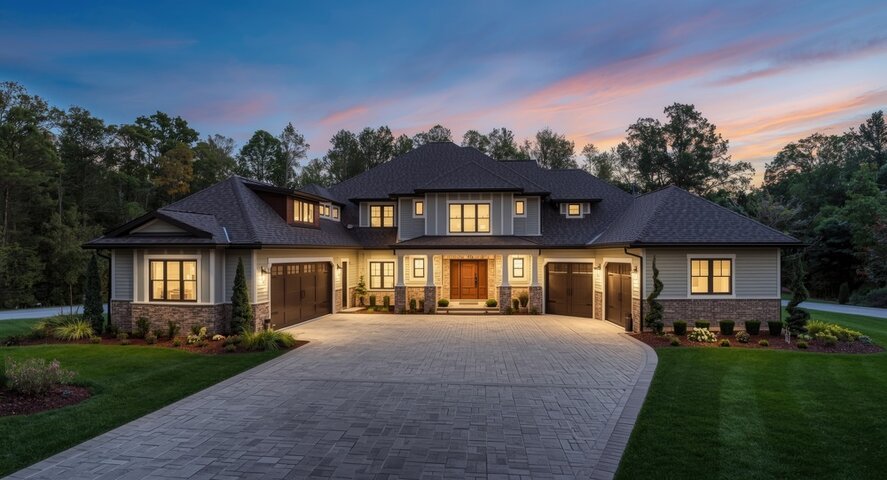
Building a custom home is one of the most significant investments a homeowner can make. Whether you are planning a new build in Easley, renovating family property in Pickens, or developing land near Seneca or Walhalla, the construction contract is the foundation of your entire project. A well-written agreement protects your budget, clarifies expectations, and ensures accountability from start to finish.
Upstate Construction & Renovation is based in Central, South Carolina and proudly serves homeowners throughout the Upstate region, including Easley, Greenville, Seneca, Westminster, Walhalla, and surrounding Oconee County communities. With extensive experience in residential construction, remodeling, and exterior contracting, our team understands how important it is for homeowners to feel confident before signing a custom build agreement.
This comprehensive guide explains what to look for in a custom home builder contract in Easley, SC, and throughout Upstate South Carolina. From scope of work to payment schedules and warranty coverage, we’ll walk you through the essentials so you can move forward with clarity and confidence.
Understanding Your Custom Build Contract
A custom home contract is more than a formality. It is a legally binding roadmap that outlines the responsibilities of both the homeowner and the builder. In Easley and surrounding areas, contracts must comply with South Carolina construction laws while also addressing local permitting, inspection requirements, and municipal guidelines.
At its core, your custom build contract should clearly define:
- Who is responsible for specific tasks and materials
- How and when payments will be made
- What happens if changes occur
- The expected timeline for completion
- Warranty coverage and dispute resolution procedures
Without these elements, even a well-intentioned project can experience misunderstandings or delays. That is why working with a transparent, experienced builder is critical. Upstate Construction & Renovation emphasizes clarity from the initial consultation through final walkthrough, ensuring homeowners understand every section of their agreement.
A strong contract also reflects professionalism. It should be detailed yet readable, specific yet flexible enough to accommodate real-world conditions such as weather delays or supply chain adjustments. In Upstate South Carolina, where seasonal storms and humidity can impact construction schedules, realistic planning language matters.
When reviewing your custom home contract, pay attention to:
- Clear identification of property location and project description
- Licensing and insurance verification for the builder
- Detailed scope of work attachments or exhibits
- Defined payment milestones tied to progress
- Procedures for handling disputes or termination
Homeowners in Easley, SC and nearby communities benefit from reviewing contracts with careful attention. Taking the time upfront reduces stress later.
Key Terms in Easley, SC Local Home Agreements
Custom home builder contracts often contain industry terminology that may not be familiar to homeowners. Understanding these key terms allows you to evaluate proposals confidently and ask informed questions.
One of the most common terms is fixed-price contract. This means the builder agrees to complete the project for a specified total amount, provided the scope does not change. Another common structure is cost-plus, where the homeowner pays the actual construction costs plus a predetermined fee or percentage for the builder’s services.
Additional terms you may encounter include:
- Allowances: Budget placeholders for items like cabinetry, lighting, or flooring
- Draw schedule: Pre-arranged payment installments based on project progress
- Substantial completion: The stage when the home is usable, even if minor items remain
- Lien waiver: Documentation confirming subcontractors and suppliers have been paid
- Punch list: A list of final corrections or incomplete items before final payment
In Easley and throughout Pickens and Oconee Counties, contracts should also reference compliance with local building codes and inspection processes. South Carolina has specific requirements for residential construction, and experienced builders account for these within the agreement.
Allowances deserve special attention. While they provide flexibility in selecting finishes, unrealistic allowances can lead to unexpected cost increases. For example, if a contract includes a low flooring allowance but you choose premium hardwood, you will be responsible for the difference.
To protect your investment, review:
- Whether allowances reflect current market pricing
- How overages or unused allowance funds are handled
- Documentation procedures for upgrades
- Clear identification of who selects materials and when
- Deadlines for design decisions
Upstate Construction & Renovation works closely with homeowners to establish realistic allowances that match their goals and budget. This transparency helps homeowners in Easley and surrounding Upstate communities avoid surprises mid-project.
Scope of Work and Project Specifications
The scope of work is the heart of your custom home contract. It describes exactly what the builder will construct, install, and deliver. Vague descriptions such as “build custom home per plans” are not enough. A strong scope outlines materials, workmanship standards, and responsibilities in detail.
For homeowners in Easley, Seneca, or Westminster, the scope of work should align with approved architectural drawings and engineering plans. It should also specify who is responsible for:
- Site preparation and grading
- Foundation type and reinforcement
- Framing materials and structural standards
- Roofing system specifications
- Exterior siding and trim details
Beyond structural elements, the scope must include interior features. Flooring types, cabinetry brands, countertop materials, HVAC systems, insulation ratings, and window performance standards should all be documented.
A comprehensive scope of work often includes:
- Detailed construction drawings and elevations
- Material specification sheets
- Energy efficiency features and insulation values
- Exterior finish descriptions such as fiber cement siding or brick veneer
- Cleanup and debris removal responsibilities
In Upstate South Carolina, environmental conditions such as humidity, heavy rainfall, and occasional severe storms make material selection especially important. A quality contract reflects durability standards suitable for the region’s climate.
Upstate Construction & Renovation emphasizes structural integrity and long-term durability. For example, when installing roofing systems or siding, the contract should outline manufacturer specifications and installation methods. This ensures that the finished product performs as intended and meets warranty guidelines.
Homeowners should also confirm that the contract states what is not included. Clear exclusions prevent assumptions that can lead to disputes later.
Payment Schedules and Budget Protections
Understanding how and when payments are made is critical in any custom home project. A well-structured payment schedule protects both the homeowner and the builder by tying funds to measurable progress.
Most custom home contracts in Easley and throughout the Upstate region use a draw schedule. Payments are divided into installments triggered by milestones such as foundation completion, framing, mechanical rough-ins, and final finishes.
A typical draw schedule may include:
- Initial deposit upon contract signing
- Payment after foundation and slab completion
- Payment at framing and dried-in stage
- Payment after mechanical, plumbing, and electrical rough-ins
- Final payment upon substantial completion and punch list review
This structure ensures that work is completed before additional funds are released. It also provides transparency for lenders if construction financing is involved.
Budget protections should also be written into the contract. These protections may include:
- Clear procedures for approving additional costs
- Documentation requirements for material upgrades
- Lien waivers from subcontractors and suppliers
- Contingency allowances for unforeseen site conditions
- Defined limits on administrative or management fees
In South Carolina, homeowners have the right to request documentation confirming payments to subcontractors. This protects against potential liens on the property.
Upstate Construction & Renovation prioritizes open financial communication. We provide detailed invoices and progress updates so homeowners in Easley and nearby communities understand exactly how their investment is being allocated.
If your project is financed through a construction loan, the contract should align with lender draw requirements. This coordination helps prevent delays in funding and keeps your project moving forward efficiently.
Change Orders and Communication Standards
Even the most carefully planned custom home projects may require changes. Whether you decide to upgrade countertops or modify a room layout, those changes must be documented properly.
A change order is a written amendment to the original contract. It outlines the revised work, associated costs, and any impact on the timeline. Verbal agreements should never replace written documentation.
A well-drafted change order process should include:
- Written description of the requested change
- Cost breakdown for materials and labor
- Timeline adjustments, if applicable
- Signatures from both homeowner and builder
- Updated total contract value
Clear communication standards are just as important as formal documentation. Your contract should outline how project updates will be shared and who your primary point of contact will be.
In communities like Easley and Greenville, where homeowners may live off-site during construction, regular updates are essential. Communication expectations may include:
- Scheduled progress meetings
- Weekly email or phone updates
- On-site walkthroughs at major milestones
- Digital photo documentation
- Prompt notification of delays or supply issues
At Upstate Construction & Renovation, we believe strong communication builds trust. Our team works closely with homeowners across Central and Upstate South Carolina to ensure questions are addressed quickly and decisions are documented clearly.
Storm events can also necessitate adjustments. If severe weather impacts scheduling or materials, the contract should include language addressing weather-related delays. This ensures fairness while maintaining realistic timelines.
Warranties, Timelines, and Quality Assurances
A reputable custom home builder stands behind their work. Your contract should clearly outline warranty coverage for workmanship, materials, and structural components.
In South Carolina, warranty terms vary depending on the builder and product manufacturers. Typical coverage areas may include:
- One-year workmanship warranty
- Manufacturer warranties on roofing, windows, and HVAC systems
- Structural warranty coverage for defined periods
- Appliance warranties passed directly to the homeowner
- Procedures for submitting warranty claims
Understanding the timeline of your project is equally important. While no builder can guarantee exact completion dates due to weather or supply factors, your contract should provide an estimated construction schedule.
Key timeline components often include:
- Estimated start date after permits are secured
- Projected duration for major phases
- Conditions that may extend completion
- Substantial completion definition
- Final walkthrough and occupancy procedures
Quality assurance measures should also be documented. These may include third-party inspections, code compliance checks, and internal quality control reviews.
In Upstate South Carolina, where high humidity and seasonal storms can affect materials, durability matters. Upstate Construction & Renovation emphasizes proper installation techniques, ventilation planning, and moisture management to protect your home long term.
For homeowners in Easley and nearby areas, knowing that your builder provides responsive service after completion offers peace of mind. Warranty responsiveness and clear service procedures are hallmarks of a trustworthy contractor.
Frequently Asked Questions
How do I choose the right custom home builder in Easley, SC?
Choosing the right builder involves reviewing licensing, insurance, experience, and past project portfolios. Homeowners should request references and review detailed contracts before signing. Upstate Construction & Renovation serving the Upstate South Carolina area offers transparent consultations, clear proposals, and experienced craftsmanship tailored to local building conditions.
What should be included in a remodeling contract in South Carolina?
A remodeling contract should include a detailed scope of work, material specifications, payment schedule, timeline, and warranty information. It should also outline change order procedures and dispute resolution terms. Upstate Construction & Renovation provides comprehensive agreements for homeowners throughout Easley, Seneca, and surrounding communities to ensure clarity and accountability.
How are roof repairs handled after storm damage in Upstate South Carolina?
After severe weather, roof repairs typically begin with a detailed inspection to assess shingle damage, flashing issues, and structural concerns. Documentation is often provided to assist with insurance claims. Upstate Construction & Renovation offers responsive storm damage repair services across Upstate South Carolina to restore roofing systems safely and efficiently.
Can a contractor help with insurance claims for storm damage?
Yes, experienced contractors often assist homeowners by providing inspection reports, repair estimates, and documentation for insurance adjusters. While the final claim decision rests with the insurer, professional assessments strengthen your claim. Upstate Construction & Renovation supports homeowners throughout the Upstate region during storm recovery projects.
What types of siding work best for homes in the Upstate climate?
Fiber cement siding, engineered wood, and quality vinyl siding are popular options due to their durability in humid and storm-prone conditions. Proper installation and moisture barriers are critical. Upstate Construction & Renovation helps homeowners select siding solutions that balance appearance, longevity, and weather resistance.
How long does it take to build a custom home in Easley or nearby communities?
Custom home timelines vary based on size, complexity, permitting, and weather conditions. On average, new builds may take several months from groundbreaking to completion. Upstate Construction & Renovation provides realistic scheduling guidance and consistent updates for homeowners throughout Central and Upstate South Carolina.
What is the difference between a fixed-price and cost-plus construction contract?
A fixed-price contract establishes a set total cost for the defined scope of work, while a cost-plus contract charges actual construction expenses plus a builder fee. Each option has advantages depending on project flexibility and homeowner preferences. Upstate Construction & Renovation explains both models clearly so clients can choose the best fit for their project.
Do I need permits for exterior renovations like roofing or siding replacement?
In many Upstate South Carolina municipalities, permits are required for significant exterior renovations, including roofing replacements and structural modifications. Your contractor should handle the permitting process and schedule inspections. Upstate Construction & Renovation manages permitting requirements to help ensure projects comply with local building codes.