
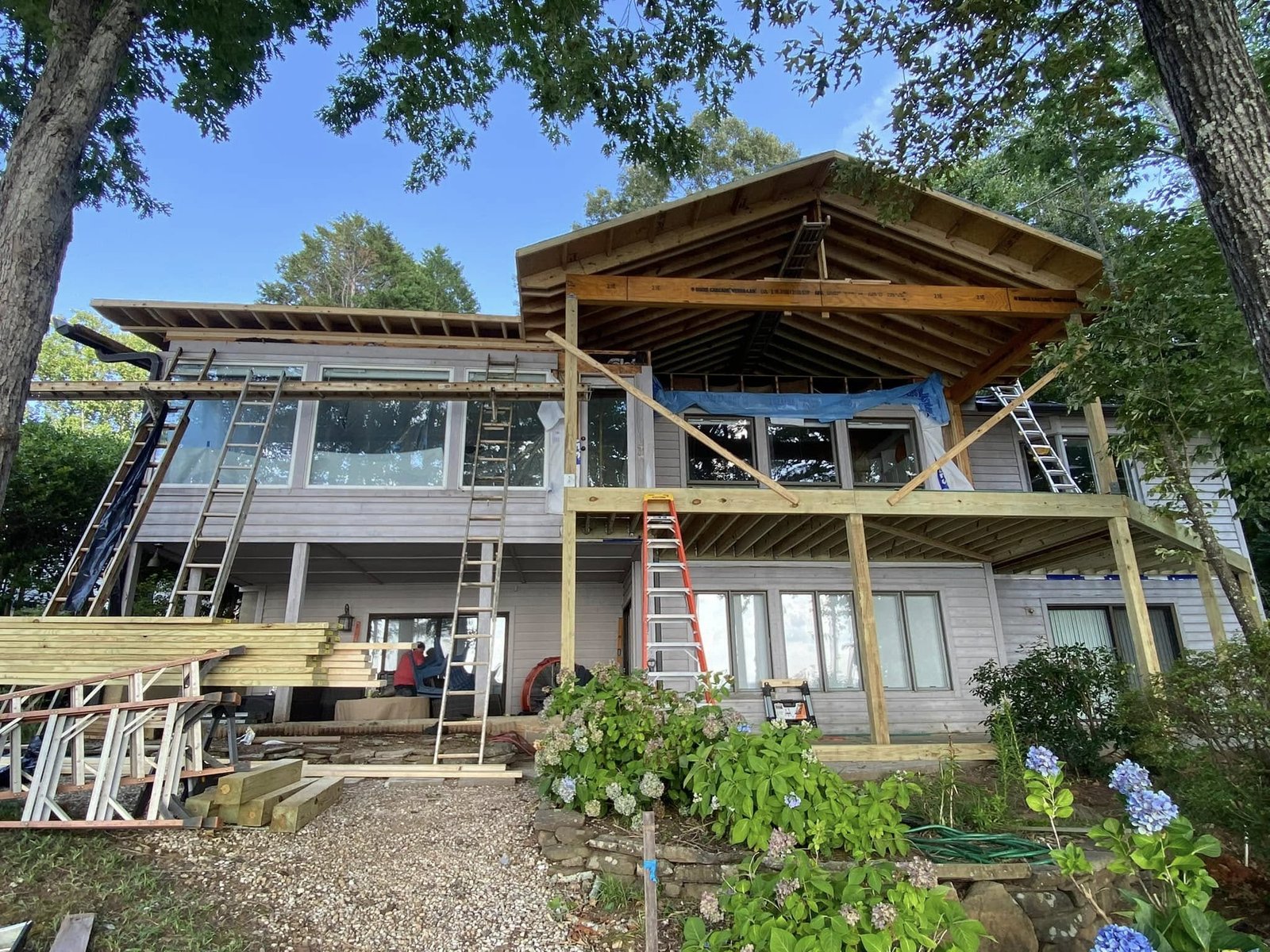
As families grow, so do their space requirements. What once felt like the perfect home can suddenly seem cramped with additional children, aging parents, remote work needs, or changing lifestyles. Instead of packing up and moving, many homeowners are discovering that a second story addition offers a practical and long-term solution.
Building upward allows you to significantly increase your living space without sacrificing your yard or relocating to a new neighborhood. Whether you need extra bedrooms, a larger primary suite, a home office, or additional bathrooms, adding a second level can transform your current home into the one your family needs for years to come.
If you’re wondering whether a second story addition is the right investment, this guide explores the benefits, considerations, planning process, and how professional construction can help maximize your home’s potential.
Why Families Outgrow Their Homes
Life changes quickly, and your home’s original layout may no longer meet your family’s needs.
Common reasons homeowners consider expanding include:
- Growing families with children
- Multi-generational living
- Remote work requirements
- Need for additional bedrooms
- More storage space
- Extra bathrooms
- Dedicated hobby or recreation rooms
Rather than leaving a neighborhood you love, expanding your existing home allows you to remain close to schools, friends, and local amenities.
What Is a Second Story Addition?
A second story addition involves constructing an entirely new living level above your existing home. Unlike room additions that extend outward, building upward increases square footage while preserving outdoor living space.
Depending on your home’s structure, a second floor may include:
- Bedrooms
- Bathrooms
- Home offices
- Family rooms
- Guest suites
- Playrooms
- Laundry rooms
- Walk-in closets
This type of renovation dramatically improves both functionality and property value.
Benefits of Building Up Instead of Moving
Many homeowners compare the cost of moving with expanding their current home.
A second story addition often provides several advantages.
Keep Your Existing Property
You don’t have to leave the neighborhood your family already enjoys.
Stay close to:
- Schools
- Parks
- Friends
- Shopping
- Local businesses
- Community activities
Preserve Yard Space
Unlike ground-level additions, building upward keeps your backyard intact.
This allows you to continue enjoying:
- Outdoor entertaining
- Gardens
- Patios
- Swimming pools
- Children’s play areas
Increase Property Value
Additional living space typically makes homes more attractive to future buyers.
Features that often increase value include:
- Extra bedrooms
- Larger primary suites
- Additional bathrooms
- Home offices
- Modern layouts
A professionally designed addition can offer an excellent return on investment.
Signs Your Family Needs More Space
Not every home requires a second floor, but several indicators suggest it may be the right time.
Bedrooms Are Shared
Children who have outgrown shared bedrooms may benefit from their own private spaces.
No Dedicated Home Office
Working remotely without a quiet workspace can affect productivity.
Storage Is Limited
Overflowing closets and crowded rooms often indicate your home has reached its capacity.
Guests Have No Space
Hosting family and friends becomes easier with an additional guest bedroom.
Daily Living Feels Crowded
If common areas constantly feel overcrowded, expanding upward may greatly improve comfort.
Design Possibilities
One of the biggest advantages of adding a second level is customization.
Popular additions include:
Primary Suite
Create a luxurious retreat featuring:
- Walk-in closet
- Spacious bathroom
- Sitting area
- Private balcony
Children’s Bedrooms
Provide growing children with comfortable private rooms.
Home Office
Design a quiet, productive workspace separated from daily household activity.
Family Entertainment Room
Enjoy movie nights, gaming, or relaxing together in a dedicated living area.
Guest Suite
Offer visiting friends and relatives a comfortable private space.
Is Your Home Structurally Ready?
Before construction begins, professionals evaluate whether your home’s existing structure can safely support another floor.
Important considerations include:
- Foundation strength
- Wall framing
- Roof structure
- Load-bearing capacity
- Local building codes
If reinforcement is necessary, contractors will include these improvements in the project plan.
Planning Your Second Story Addition
Proper planning helps ensure a smooth construction process.
Determine Your Goals
Decide how your family will use the new space.
Establish a Budget
Include:
- Design costs
- Construction
- Permits
- Finishes
- Unexpected expenses
Choose Materials
Select durable, energy-efficient materials that complement your existing home.
Obtain Permits
Professional contractors handle permitting and inspections according to local regulations.
Energy Efficiency Benefits
Modern construction techniques improve comfort while reducing utility costs.
Energy-efficient features may include:
- High-performance insulation
- Energy-efficient windows
- Modern HVAC systems
- LED lighting
- Advanced roofing materials
These upgrades often improve the efficiency of your entire home.
What to Expect During Construction
Understanding the construction process helps homeowners prepare.
Typical stages include:
Initial Consultation
Discuss goals, budget, and design ideas.
Architectural Design
Detailed plans are created based on your home’s layout.
Engineering Review
Structural evaluations ensure safety.
Permits
Required approvals are obtained before construction begins.
Construction
The second story is built while integrating seamlessly with the existing home.
Final Inspection
Local officials verify that construction meets building codes.
Choosing the Right Contractor
Experience is especially important with second-story additions because the project involves major structural work.
Look for contractors who offer:
- Licensed professionals
- Insurance coverage
- Extensive experience
- Strong customer reviews
- Transparent estimates
- Detailed contracts
- Quality craftsmanship
Choosing an experienced builder helps ensure lasting results.
Common Challenges and How Professionals Solve Them
Every renovation presents unique challenges.
Professional contractors help address issues such as:
- Structural reinforcement
- Roof removal
- Utility relocation
- Matching exterior finishes
- Weather delays
- Building code compliance
Their expertise minimizes disruptions while keeping projects on schedule.
Why Professional Construction Matters
Second-story additions require advanced planning and precise workmanship.
Professional builders provide:
- Safe structural engineering
- Accurate measurements
- Quality materials
- Efficient scheduling
- Skilled craftsmanship
- Long-term durability
A professionally completed addition becomes a seamless extension of your home.
Is a Second Story Addition Worth It?
For many growing families, the answer is yes.
Compared to moving, expanding your existing home offers several long-term benefits:
- More living space
- Greater comfort
- Higher resale value
- Improved functionality
- Preserved outdoor space
- Customized design
- Staying in the neighborhood you love
When carefully planned and professionally constructed, a second story addition becomes an investment that benefits your family for decades.
Conclusion
If your family needs more room but you don’t want to leave the home and community you love, a second story addition can provide the perfect solution. From additional bedrooms and home offices to spacious family areas, building upward allows you to customize your home while increasing its long-term value. With expert planning, quality craftsmanship, and attention to detail, Upstate SC Construction helps homeowners create beautiful, functional spaces designed to grow with their families.
Frequently Asked Questions
1. How long does a second story addition typically take?
Most projects take several months, depending on the size, complexity, permitting process, and weather conditions.
2. Can any home support a second story addition?
Not always. A structural assessment is required to determine whether the existing foundation and framing can safely support another level.
3. Will a second story addition increase my home’s value?
Yes. Adding functional living space, extra bedrooms, and bathrooms often increases both market appeal and resale value.
4. Do I need to move out during construction?
It depends on the project’s scope. Some homeowners can remain in the home, while others may temporarily relocate during major structural work.
5. Is building a second story more affordable than buying a larger home?
In many cases, yes. Expanding your existing home can be more cost-effective than purchasing a new property, especially when considering moving expenses, closing costs, and today’s housing market.