
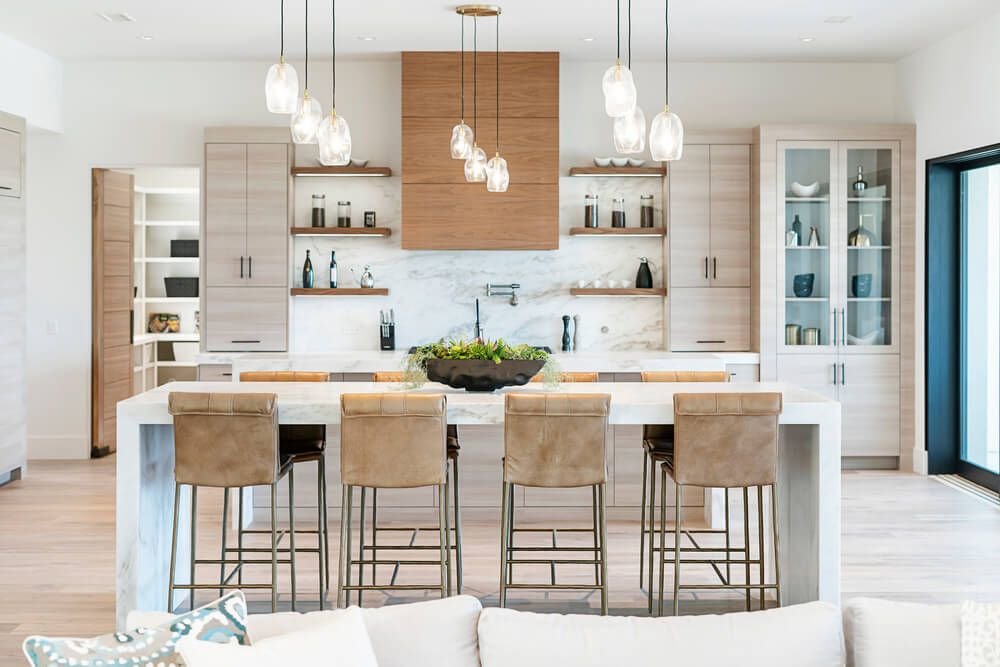
A kitchen can have beautiful cabinets, countertops, flooring, and appliances, yet still feel uncomfortable if the lighting is poor. Dark countertops, shadows around cabinets, dim work areas, and harsh overhead lights can make everyday cooking and cleaning more difficult.
The good news is that you do not always need a complete kitchen remodel to improve the way your kitchen looks and functions. A well-planned kitchen lighting upgrade can make the space brighter, more comfortable, and more practical while adding a modern touch.
If your kitchen feels dark, outdated, or difficult to work in, the right lighting plan can solve many of these problems.
Why Is Good Kitchen Lighting Important?
Kitchen lighting serves several purposes. It needs to provide enough illumination for food preparation and cleaning while also creating an inviting environment for family and guests.
Poor lighting can create several problems:
- Dark countertops
- Shadows underneath cabinets
- Glare on shiny surfaces
- Poor visibility around appliances
- Dim corners
- Uneven illumination
- A dated appearance
Simply installing a brighter bulb is not always the best solution. Effective kitchen lighting usually combines multiple types of fixtures to illuminate different areas.
Signs Your Kitchen Needs Better Lighting
Not sure whether your existing setup needs an upgrade? Look for these common signs.
Your Countertops Have Dark Spots
If your upper cabinets block ceiling light from reaching the countertop, food preparation areas may remain shadowy. Under-cabinet fixtures can provide focused illumination where you actually need it.
One Fixture Is Expected to Light Everything
A single ceiling fixture may leave portions of the room poorly illuminated. Larger kitchens especially benefit from multiple light sources positioned around work zones.
Your Kitchen Feels Dated
Old fixtures can make an otherwise attractive kitchen look outdated. Replacing them with modern designs can provide an immediate visual improvement without changing cabinets or countertops.
Lighting Is Too Harsh
More brightness does not automatically mean better lighting. Extremely bright fixtures can create glare and make the room uncomfortable.
You Cannot See Clearly While Cooking
Food preparation requires adequate visibility. If shadows fall across cutting boards, sinks, or cooking surfaces, task-focused lighting may be necessary.
Understanding the Three Main Types of Kitchen Lighting
A successful lighting plan usually combines three basic categories.
Ambient Lighting
Ambient lighting provides the overall illumination for the room. Ceiling fixtures, recessed lights, and other broad light sources can help create consistent brightness throughout the kitchen.
The goal is to avoid dark areas without making the entire room excessively bright.
Task Lighting
Task lighting focuses illumination on specific work areas. Countertops, sinks, islands, and cooking surfaces often benefit from this approach.
Under-cabinet lighting is one of the most popular ways to add task illumination because it places light directly over the work surface.
Accent Lighting
Accent fixtures are primarily used to highlight design features. They can draw attention to cabinetry, architectural details, backsplashes, artwork, or decorative displays.
Combining all three types can make a kitchen more functional while improving its overall appearance.
Recessed Lighting for a Cleaner Look
Recessed lights are installed into the ceiling rather than hanging below it. This creates a clean, streamlined appearance that works well with modern kitchen designs.
Strategically placed recessed fixtures can provide even illumination across major areas of the room.
However, placement matters. Installing too many lights in a straight line or positioning them without considering cabinets and work areas can create unwanted shadows or glare.
A professional lighting plan should consider the kitchen’s layout, ceiling height, cabinet configuration, and primary work zones.
Under-Cabinet Lighting Solves Dark Countertops
One of the most practical upgrades for a kitchen with poor visibility is under-cabinet lighting.
Upper cabinets can prevent ceiling light from reaching the countertop. This creates shadows exactly where you need clear visibility.
Under-cabinet fixtures place illumination closer to the work surface, making tasks such as chopping, reading recipes, preparing ingredients, and cleaning easier.
Options may include LED strips, bars, puck lights, or other low-profile fixtures. The right choice depends on cabinet design and the desired appearance.
Kitchen Island Lighting
A kitchen island often serves multiple purposes. It may be used for food preparation, casual dining, homework, entertaining, or socializing.
Because of this, the island deserves careful lighting consideration.
Pendant lights are a popular option because they provide focused illumination while also adding a decorative element. Multiple pendants can create balance across a larger island.
The fixtures should be positioned to provide useful light without obstructing sightlines or creating excessive glare.
LED Lighting: An Efficient Upgrade
LED lighting has become a popular choice for residential lighting because LEDs generally use less energy and have longer operating lives than traditional incandescent bulbs.
They are available in different brightness levels, color temperatures, shapes, and designs.
For a kitchen, the right color temperature can make a significant difference. Cooler light can provide a crisp appearance, while warmer tones may create a more comfortable atmosphere.
The best choice depends on the kitchen’s finishes, natural light, personal preference, and intended use.
Do You Need Dimmers?
Dimmers provide flexibility by allowing you to adjust light levels according to the activity.
Bright lighting may be useful while preparing meals or cleaning. Lower illumination can create a more relaxed environment when the kitchen is being used for dining or entertaining.
Dimmers can be particularly helpful when multiple lighting layers are installed. They allow homeowners to control the atmosphere instead of relying on a single brightness level.
Not all fixtures and bulbs are compatible with every dimmer, so compatibility should be confirmed before installation.
Solving Common Kitchen Lighting Problems
Problem: Dark Work Areas
Solution: Add task lighting beneath cabinets or directly above important preparation zones.
Problem: Shadows Around the Island
Solution: Consider appropriately positioned pendant or ceiling fixtures.
Problem: Dark Corners
Solution: Add recessed fixtures or other strategically positioned sources to distribute illumination more evenly.
Problem: Harsh Glare
Solution: Review fixture placement, brightness, beam direction, and bulb selection.
Problem: Outdated Fixtures
Solution: Replace old fixtures with modern designs that complement the kitchen’s architecture and finishes.
Problem: Too Many Different Light Colors
Solution: Coordinate color temperatures throughout the space for a more consistent appearance.
Can Lighting Improve a Kitchen Without a Full Remodel?
Yes. Lighting is one of the upgrades that can change the appearance and functionality of a kitchen without replacing every major component.
Updating ceiling fixtures, adding under-cabinet illumination, installing modern pendants, or improving control options can make an existing kitchen feel significantly more modern.
This can be particularly useful for homeowners who like their cabinets and countertops but feel that the room lacks brightness or visual appeal.
Why Professional Installation Matters
Electrical work should be approached carefully. Adding new fixtures may involve wiring, switches, junction boxes, ceiling access, or changes to existing circuits.
A professional can evaluate the current setup and determine how new lighting can be integrated safely.
Professional installation can also help ensure that fixtures are positioned appropriately and that controls operate as intended.
Rather than selecting fixtures first and figuring out placement later, it is better to consider the entire lighting plan before installation begins.
How to Plan a Kitchen Lighting Upgrade
Start by identifying the areas where lighting is currently inadequate.
Ask yourself:
- Where are the darkest areas?
- Which countertops need better visibility?
- Is the island sufficiently illuminated?
- Do you want brighter or warmer light?
- Would dimming controls be useful?
- Are existing fixtures outdated?
- Does the lighting complement the kitchen design?
Once these questions are answered, you can determine which combination of ambient, task, and accent lighting makes sense.
A professional evaluation can then help translate those goals into a practical installation plan.
Frequently Asked Questions
1. What is the best lighting for a kitchen?
There is no single fixture that works for every kitchen. A combination of ambient, task, and accent lighting usually provides better coverage, functionality, and visual balance.
2. Is under-cabinet lighting worth it?
Yes. It can significantly improve visibility on countertops that are shaded by upper cabinets. It can also add a modern decorative element to the kitchen.
3. Are LED lights good for kitchens?
LEDs are a popular option because they are generally energy efficient, long-lasting, and available in many brightness and color-temperature choices.
4. How many recessed lights does a kitchen need?
The number depends on the kitchen’s size, ceiling height, layout, existing natural light, and other fixtures. Proper spacing and placement are more important than simply installing a large number of lights.
5. Can I upgrade kitchen lighting without remodeling?
Yes. Replacing fixtures, adding under-cabinet illumination, installing pendants, or upgrading controls can improve a kitchen without requiring a complete renovation.
Brighten Your Kitchen With the Right Plan
A dark or poorly lit kitchen can make cooking, cleaning, and entertaining unnecessarily difficult. Fortunately, targeted lighting improvements can solve many of these problems without requiring a complete kitchen renovation.
From recessed fixtures and under-cabinet lighting to island pendants, LEDs, and dimming controls, the right combination can make your kitchen brighter, more functional, and more visually appealing.
If you are considering a lighting improvement as part of a larger home project, Upstate Construction & Renovation can help create a practical lighting solution that complements your kitchen’s layout, design, and everyday needs.