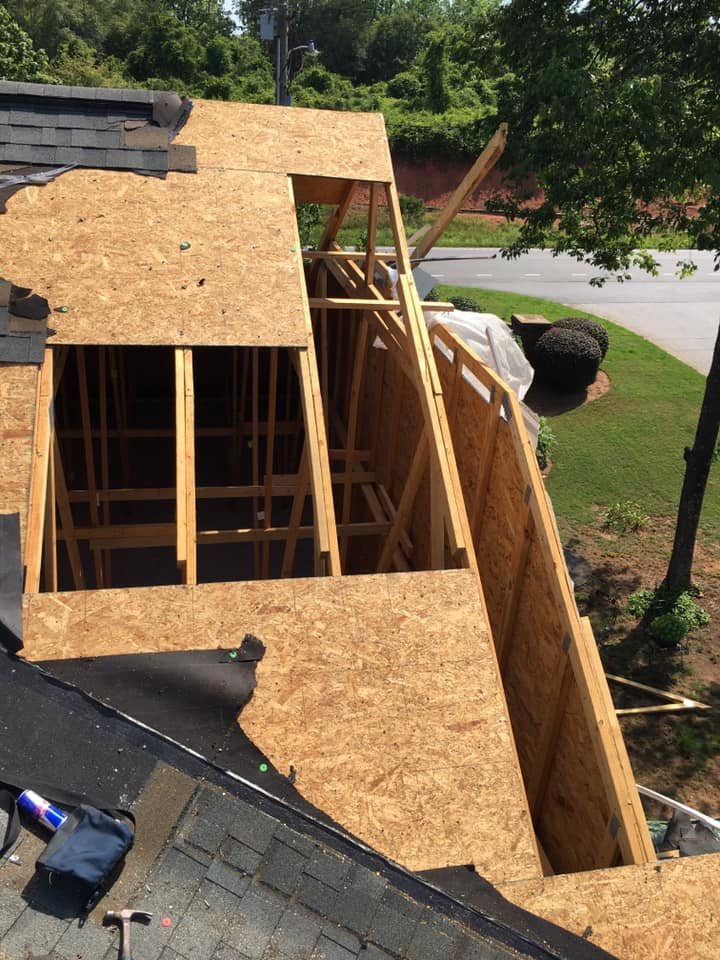
Your roof serves as the first line of defense against the elements, protecting your home, belongings, and family from rain, wind, hail, and extreme weather. However, severe storms can cause significant roof damage that may not always be immediately visible. Even minor storm-related issues can quickly escalate into costly repairs if left unaddressed.
Storm damage roof repair is essential for maintaining the structural integrity of your home and preventing water intrusion, mold growth, and long-term property damage. Whether your roof has been affected by high winds, hail, heavy rainfall, or fallen debris, prompt professional repairs can help restore protection and extend the life of your roofing system.
Why Storm Damage Roof Repair Is Important
After a major storm, many homeowners focus on visible damage such as fallen trees or damaged siding. Unfortunately, roofing issues often go unnoticed until leaks or interior damage begin to appear.
Professional storm damage repairs help:
- Prevent water infiltration
- Protect structural components
- Maintain energy efficiency
- Preserve property value
- Reduce long-term repair costs
- Improve home safety
Fast response and professional inspections can significantly minimize the impact of severe weather on your property. Upstate Construction & Renovation offers emergency roof repair services, storm damage assessments, and insurance documentation support throughout Upstate South Carolina.
Common Types of Storm Damage
Different weather events can affect roofing systems in various ways.
Wind Damage
Strong winds can loosen, lift, or completely remove roofing materials.
Common signs include:
- Missing shingles
- Lifted shingles
- Exposed underlayment
- Damaged flashing
- Loose roof components
Even if shingles remain attached, high winds may weaken their seal, making future damage more likely.
Hail Damage
Hailstorms can cause serious roofing issues regardless of roof age.
Potential damage includes:
- Granule loss
- Surface dents
- Cracked shingles
- Damaged vents
- Broken skylights
Hail impacts may not be obvious from the ground, making professional inspections essential.
Heavy Rain Damage
Persistent rainfall can exploit weaknesses in your roofing system.
Problems may include:
- Water infiltration
- Roof leaks
- Saturated underlayment
- Ceiling stains
- Mold development
Prompt repairs help prevent moisture from spreading throughout the home.
Falling Debris
Storms often bring down tree branches and other debris that can puncture roofing materials.
Damage may range from cosmetic issues to major structural concerns requiring immediate attention.
Signs Your Roof Has Storm Damage
Not all storm-related roof problems are easy to identify.
Homeowners should watch for the following warning signs:
Missing or Damaged Shingles
Shingles that are cracked, curled, torn, or missing entirely often indicate wind or hail damage.
Water Stains on Ceilings
Brown or yellow discoloration inside the home may signal a roof leak.
Granules in Gutters
Asphalt shingles shed protective granules when damaged.
Excessive granule accumulation in gutters may indicate storm-related deterioration.
Sagging Roof Areas
A sagging section of the roof can suggest moisture intrusion or structural damage.
Increased Energy Bills
Damaged roofing materials may reduce insulation performance and increase heating or cooling costs.
The Hidden Dangers of Delaying Roof Repairs
Many homeowners postpone repairs because the damage appears minor.
Unfortunately, even small roofing issues can lead to major consequences.
Water Damage
Leaks can damage:
- Drywall
- Insulation
- Flooring
- Furniture
- Electrical systems
Mold Growth
Moisture trapped inside walls and ceilings creates an ideal environment for mold development.
Structural Deterioration
Water intrusion can weaken:
- Roof decking
- Framing
- Support structures
Higher Repair Costs
Minor storm damage often becomes more expensive when left untreated.
Addressing issues early can prevent complete roof replacement.
The Storm Damage Roof Inspection Process
A professional roof inspection is the first step toward identifying and repairing storm-related damage.
Exterior Assessment
Roofing professionals inspect:
- Shingles
- Flashing
- Gutters
- Vents
- Chimneys
- Skylights
Interior Evaluation
The attic and interior spaces are checked for:
- Water stains
- Moisture accumulation
- Insulation damage
- Structural concerns
Documentation
Detailed photographs and reports help homeowners understand the extent of damage and support insurance claims.
Professional storm inspections can identify hidden problems that may not be visible from the ground.
Emergency Roof Repair Services
In many situations, immediate action is necessary to prevent further damage.
Emergency services often include:
Roof Tarping
Temporary tarps protect exposed areas until permanent repairs can be completed.
Leak Mitigation
Stopping active leaks helps minimize interior damage.
Debris Removal
Removing fallen branches and damaged materials prevents additional stress on the roof.
Temporary Stabilization
Contractors may secure compromised sections to improve safety until repairs begin.
Many storm recovery specialists provide 24/7 emergency response to protect homes after severe weather events.
Roof Repair vs. Roof Replacement
Not every storm-damaged roof requires full replacement.
When Repairs Are Sufficient
Repairs may be appropriate when:
- Damage is localized
- Roofing materials remain structurally sound
- The roof is relatively new
- Problems are limited to a small area
When Replacement Is Necessary
Replacement may be recommended if:
- Damage is widespread
- The roof is nearing the end of its lifespan
- Multiple leaks are present
- Structural components have been compromised
A professional evaluation helps determine the most cost-effective solution.
Insurance Claims for Storm Damage
Homeowners insurance often covers storm-related roof damage, depending on policy terms.
Steps for Filing a Claim
- Document visible damage.
- Schedule a professional inspection.
- Contact your insurance provider.
- Submit inspection reports and photos.
- Review settlement details carefully.
Experienced contractors frequently assist homeowners by providing repair estimates and documentation needed to support insurance claims.
How Storm Damage Affects Property Value
Roof condition plays a major role in a home’s market value.
Unresolved storm damage can:
- Reduce buyer confidence
- Delay real estate transactions
- Trigger inspection issues
- Lower resale value
Timely repairs help maintain curb appeal and protect your investment.
Preventing Future Storm Damage
While no roof is completely storm-proof, proactive maintenance can reduce risk.
Schedule Annual Roof Inspections
Routine inspections help identify vulnerabilities before severe weather occurs.
Trim Overhanging Branches
Removing nearby tree limbs reduces the likelihood of impact damage.
Maintain Gutters
Clean gutters improve drainage and reduce water-related issues.
Upgrade Roofing Materials
Impact-resistant shingles and weather-resistant systems offer enhanced protection.
Address Minor Repairs Promptly
Small issues can become major problems during the next storm.
Choosing the Right Roofing Contractor
Selecting an experienced contractor is critical after storm damage.
Look for professionals who offer:
- Licensed and insured services
- Emergency response capabilities
- Storm restoration expertise
- Detailed inspections
- Insurance claim assistance
- Strong local reputation
A qualified contractor ensures repairs are completed safely and according to industry standards.
Long-Term Benefits of Professional Storm Damage Repair
Investing in professional roof restoration provides lasting advantages.
Benefits include:
- Improved home protection
- Extended roof lifespan
- Better energy efficiency
- Reduced maintenance costs
- Increased property value
- Greater peace of mind
Prompt repairs help homeowners avoid future complications while preserving the integrity of the entire structure.
Conclusion
Storm damage can compromise your roof’s ability to protect your home, leading to leaks, structural issues, mold growth, and costly repairs. Whether caused by high winds, hail, heavy rain, or falling debris, addressing roofing damage quickly is essential for maintaining safety and preventing further deterioration. Professional inspections, emergency repairs, and quality restoration services help ensure your roof remains strong and reliable after severe weather. For dependable storm recovery solutions and expert roofing services, upstate construction renovation provides the experience and craftsmanship homeowners can trust.
Frequently Asked Questions
1. How soon should I inspect my roof after a storm?
You should schedule a professional roof inspection as soon as possible after severe weather to identify hidden damage and prevent further issues.
2. Does homeowners insurance cover storm damage roof repairs?
Many policies cover storm-related roof damage, but coverage depends on your specific policy and the cause of the damage.
3. What are the most common signs of storm damage?
Missing shingles, water stains, granule loss, roof leaks, and damaged flashing are among the most common indicators.
4. Can hail damage a roof without causing leaks?
Yes. Hail can weaken roofing materials and shorten their lifespan even if leaks are not immediately visible.
5. Is emergency roof tarping necessary after storm damage?
If the roof has exposed areas or active leaks, temporary tarping can help prevent additional water intrusion until permanent repairs are completed.